 Life Style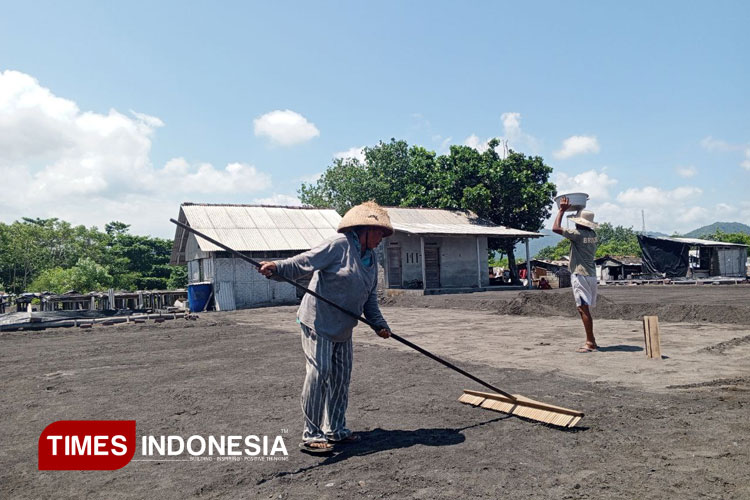
TIMES HONGKONG, JAKARTA – Under the scorching sun and the tight competition among brands in the market, salt farmers in the Traditional Village of Kusamba, Klungkung Regency, Bali, remain committed to preserving their age-old method of producing Kusamba natural sea salt.
Even as modernization keeps pushing its way into many parts of life, this community stays loyal to a method that has been passed down for centuries.
There’s no clear record of when this tradition began, but many believe it dates back to the era of the Klungkung Kingdom, around the 15th to 17th centuries.
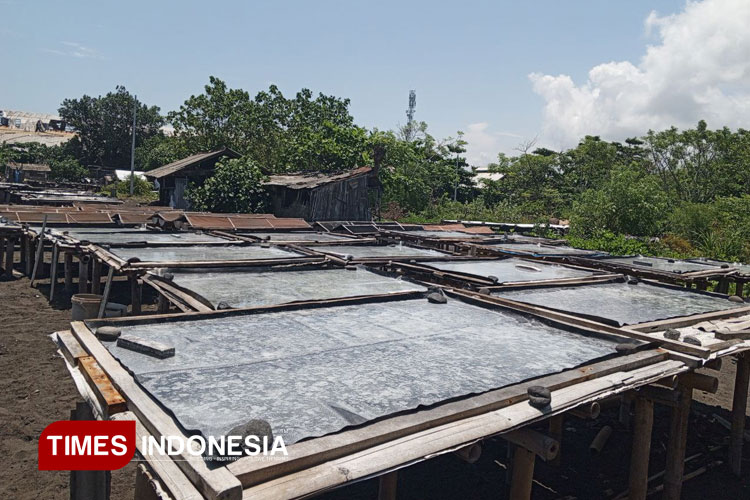 The drying process of the salt solution filtered from the sand, left under the sun to crystalize. This crystallization usually takes around two days. (Photo: Heliavita Jasmine/TIMES Indonesia)
Today, Kusamba sea salt is known not only across Indonesia but also abroad for its clean taste and distinctive character.
The Work Begin
Every morning, when the sea is calm—usually between 6 and 8 a.m.—farmers begin collecting seawater. The water is then spread onto plots of black sand, which serve as the natural medium for evaporation.
After being soaked and dried repeatedly under the sun, salt minerals rise to the top layer of the sand. This mineral-rich sand then becomes the main material for the next step.
Once dry, the sand is scraped and placed into filtering containers. The process produces a highly concentrated salt solution, which is then dried again—either in geomembrane sheets or coconut troughs—until it turns into crystals. The choice of container makes a noticeable difference in taste.
“If we use coconut troughs, the salt tastes richer and more natural, so the price is also higher,” said Nengah Diana, a Kusamba sea salt farmer who has been in this craft since childhood.
The Challenges Nowoadays
Kusamba natural sea salt is known for its bright white color, clean savory taste, and slightly larger grains than industrial salt. These qualities help keep it competitive despite the rise of mass-produced refined salt.
But behind its uniqueness, farmers face many challenges. Low selling prices, unpredictable weather, and competition with industrial salt have all contributed to the declining number of traditional salt makers. During the rainy season, for example, production can stop completely because drying becomes almost impossible.
At the moment, Kusamba sea salt is sold to local cooperatives for around Rp10,000–Rp15,000 per kilogram when purchased directly on-site. Prices can rise when distributed through middlemen. Still, the process itself demands patience, physical effort, and long hours under the sun.
“We usually sell to certain company, but sometimes the locals just go on spot. The price is around ten to fifteen thousand per kilo,” Nengah said.
Goes with Another Name
Sadly, the salt is often bought in bulk, rebranded, and resold online at up to seven times the original price.
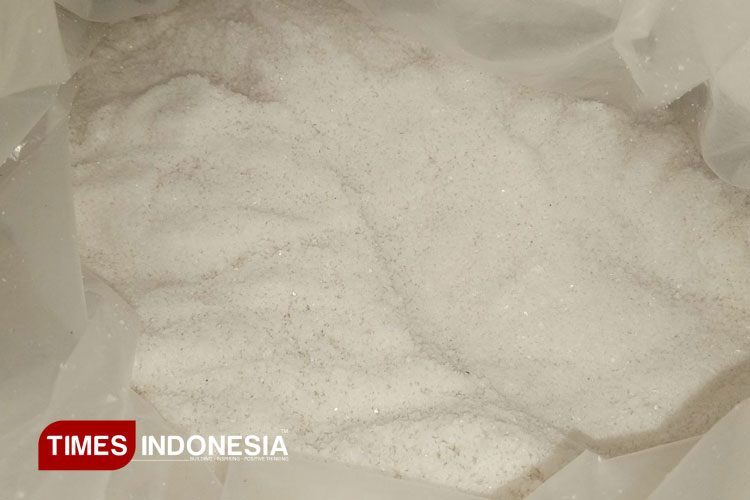 Salt crystals produced in coconut troughs. The crystals appear bright white and shiny, with grains slightly larger than regular table salt. (Photo: Heliavita Jasmine/TIMES Indonesia)
Beyond its economic value, the traditional production of Kusamba natural sea salt also has strong potential for educational tourism. Visitors can watch the entire process, learn about coastal wisdom, and understand how tightly the community is connected to nature.
This tradition stands not only as cultural heritage but also as a symbol of the farmers’ perseverance and devotion to their ancestors. Supporting these farmers is essential if we want this heritage to survive the pressures of time. (*)
Reporter: Heliavita Jasmine
Artikel ini sebelumnya sudah tayang di TIMES Indonesia dengan judul: Kusamba Natural Sea Salt, a Heritage that’s Slowly Fading Away
| Writer | : TIMES Magang 2025 |
| Editor | : Khodijah Siti |






















 TIMES Hongkong