
Massive Hajj Preparation: Indonesia Mobilizes 6,000 Buses for Pilgrims in Madinah
Indonesia prepares 6,000 buses in Madinah to ensure smooth and safe transportation for Hajj pilgrims during the 2026 pilgrimage season.
JAKARTA – Indonesia has strengthened its logistical readiness for the Hajj 2026 season by deploying around 6,000 buses to support the mobility of pilgrims arriving in Madinah. The initiative reflects a growing focus on service efficiency, comfort, and safety for one of the largest annual religious gatherings in the world.
The Madinah Working Area (Daker Madinah) confirmed that transportation arrangements have been carefully structured to accommodate the arrival of Indonesian pilgrims in phases. The buses will serve as the backbone of mobility, ensuring seamless transfers from the airport to hotels and supporting daily transportation needs during the pilgrims’ stay.
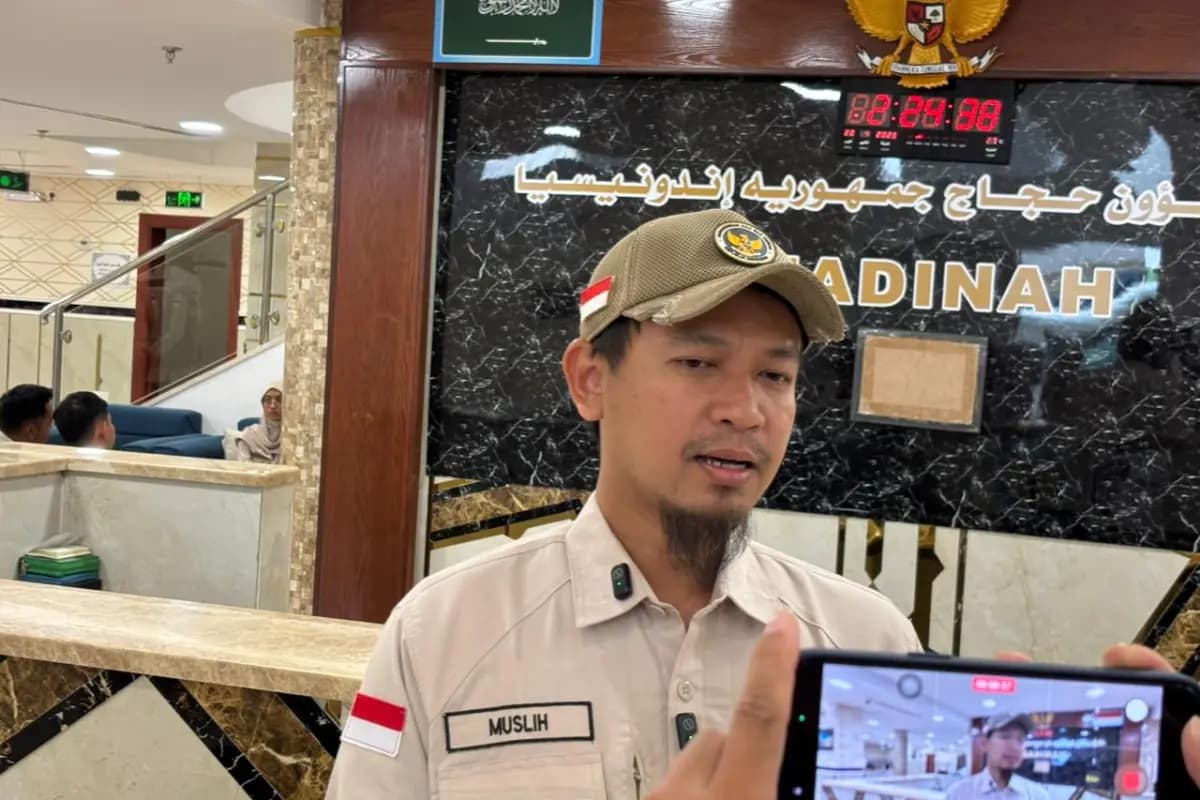
Head of Daker Madinah emphasized that transportation readiness is a key priority. “We have prepared around 6,000 buses to serve Indonesian pilgrims during the Hajj season, especially in Madinah,” he stated on Tuesday (21/4/2026)
Integrated Transport System
The transportation system is designed to operate in an integrated manner, covering multiple stages of the pilgrims’ journey. From airport pickups to hotel distribution, each movement has been mapped out to avoid congestion and delays.
The buses will not only transport pilgrims upon arrival but also support their mobility for religious visits and activities in the city. This systematic approach aims to minimize logistical disruptions and allow pilgrims to focus on their worship.

Prioritizing Comfort and Safety
Unlike previous years, authorities are placing stronger emphasis on comfort by limiting passenger capacity per bus. This decision ensures a more manageable and less physically demanding experience, especially for elderly pilgrims who make up a significant portion of Indonesia’s Hajj participants.
In addition, backup vehicles have been prepared to anticipate unexpected situations, such as delayed arrivals or separated groups. This layer of contingency planning highlights Indonesia’s commitment to improving the overall pilgrimage experience.
Strategic Coordination
The large-scale deployment of buses also involves coordination with multiple transportation providers in Saudi Arabia. This collaboration ensures that operational standards are maintained while meeting the high demand during peak periods.
Each group of pilgrims is assigned specific transport arrangements based on arrival schedules and accommodation zones. This detailed coordination reduces confusion on the ground and enhances the efficiency of pilgrim distribution.

Supporting a Smooth Pilgrimage
The preparation of thousands of buses underscores Indonesia’s broader effort to modernize its Hajj services. Beyond logistics, it represents a shift toward a more organized, pilgrim-centered approach.
With millions of pilgrims gathering in Saudi Arabia, transportation plays a critical role in ensuring that every stage of the journey runs smoothly. For Indonesian pilgrims of Hajj 2026, the readiness of 6,000 buses is not just about mobility—it is about enabling a safer and more focused spiritual experience. (*)
Simak breaking news dan berita pilihan TIMES Indonesia langsung dari WhatsApp-mu! Klik 👉 Channel TIMES Indonesia. Pastikan WhatsApp kamu sudah terpasang.
Berita ini juga tayang di portal nasional
Baca versi lengkapnya di jaringan nasional kami.
