
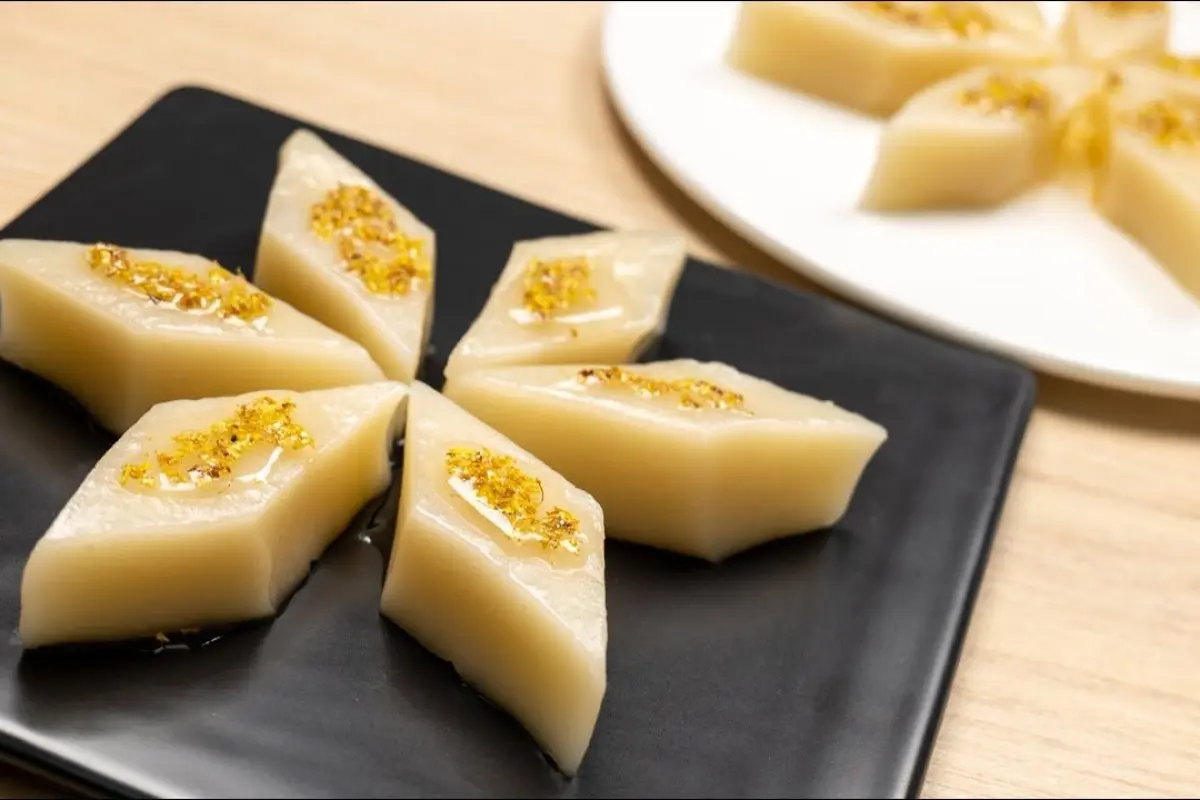
The Charm of Osmanthus Cake in an Ancient Chinese Street Market
Discover the charm of traditional Chinese osmanthus cake often seen in dramas, beautifully presented in an ancient street market setting filled with cultural elegance.
JAKARTA – For many viewers of Chinese historical dramas, certain foods leave a lasting impression—and osmanthus cake is one of them. Often placed delicately on wooden trays beside a pot of tea, this elegant dessert quietly becomes part of some of the most memorable scenes.
Whether shared between friends, lovers, or family members, osmanthus cake carries more meaning than meets the eye. Check all about osmanthus down in the article below.
A Dessert That Tells a Story
In dramas, food is rarely just food. Osmanthus cake often appears during calm, emotional moments—when characters are reflecting, bonding, or expressing unspoken feelings. Its soft texture and gentle appearance mirror the subtle emotions in these scenes.
When a character offers osmanthus cake, it can symbolize kindness, affection, or even longing. This makes the dessert a powerful storytelling element, even without dialogue.
The Beauty of Simplicity
Unlike brightly colored or heavily decorated sweets, osmanthus cake stands out through its simplicity. Its pale golden color, sometimes slightly translucent, reflects a quiet elegance. This aligns perfectly with the aesthetic of traditional Chinese culture, where beauty is often found in restraint and harmony.
Its delicate look is one reason why it fits seamlessly into historical drama settings, especially those depicting refined lifestyles.
A Fragrance That Defines Memory
One of the most distinctive features of osmanthus cake is its aroma. The osmanthus flower has a naturally sweet fragrance, often compared to apricot or honey. In many ways, this scent becomes part of the experience—both for the characters and for the audience imagining it.
In Chinese culture, scent is closely tied to memory and emotion. This makes osmanthus-based foods particularly meaningful, as they evoke nostalgia and warmth.
From Screen to Reality
While many people first encounter osmanthus cake through dramas, it is very much a real and cherished dessert in China. Traditionally made from glutinous rice flour and infused with osmanthus flowers, it has been enjoyed for centuries.

Today, it continues to be served in homes, tea houses, and specialty dessert shops. Some modern versions even experiment with new textures, but the essence of the cake remains unchanged.
More Than Just a Dessert
Osmanthus cake represents more than taste—it reflects a way of life. It embodies patience, appreciation for nature, and the importance of small, meaningful moments. These values are often central themes in Chinese historical dramas, which is why the dessert appears so frequently.
Seen through the lens of storytelling, osmanthus cake becomes more than a traditional sweet—it becomes a symbol. Its presence in Chinese dramas adds emotional depth, cultural richness, and visual beauty. For viewers, it is not just something to admire, but something to remember. (*)
Simak breaking news dan berita pilihan TIMES Indonesia langsung dari WhatsApp-mu! Klik 👉 Channel TIMES Indonesia. Pastikan WhatsApp kamu sudah terpasang.
Berita ini juga tayang di portal nasional
Baca versi lengkapnya di jaringan nasional kami.
